 United States (English)
 Russia (Pусский)
 France (Français)
 China (中文)
 Spain (Español)
 Germany (Deutsch)
 Portugal (Português)
 Slovakia (slovenský jazyk)
 Australia (English)
 New Zealand (English)

Why Does an RCCB Keep Tripping? Common Causes Electricians See on Site
Residual current circuit breakers (RCCBs) are designed to protect people from electric shock and reduce the risk of electrical fires. But when an RCCB starts tripping repeatedly, it quickly becomes more than just an inconvenience. In commercial buildings, nuisance tripping can interrupt operations, shut down equipment unexpectedly, and create ongoing maintenance issues.
In many cases, the problem is not the RCCB itself. What usually causes repeated tripping is leakage current somewhere in the installation — sometimes from moisture, damaged insulation, incorrect wiring, or simply too many electronic devices connected to the same circuit.
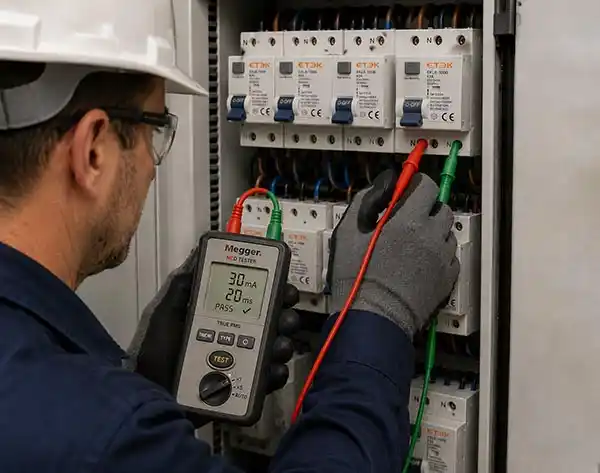
This guide explains the most common reasons electricians see RCCBs trip in real-world installations and how to troubleshoot them step by step.
How an RCCB Detects Leakage Current
An RCCB works differently from a standard MCB.
An MCB reacts to overloads and short circuits. An RCCB monitors whether the current flowing out on the live conductor is equal to the current returning on the neutral conductor.
Under normal conditions:
- Live current = Neutral current
If some current leaks to earth through damaged insulation, moisture, equipment casing, or even a person, the balance changes. Once the leakage exceeds the RCCB threshold, the device trips.
Typical trip ratings include:
- 30mA — personal shock protection
- 100mA or 300mA — fire protection and sub-main circuits
A 30mA RCCB reacts very quickly because it is intended to protect people from dangerous leakage currents.
Moisture Inside Outdoor Circuits
One of the most common causes of intermittent RCCB tripping is water ingress.
This often happens in:
- Outdoor sockets
- Garden lighting
- Rooftop equipment
- Air-conditioning isolators
- Underground conduit systems
- Car park lighting circuits
The pattern is usually easy to notice. The breaker trips after rain, during early mornings, or after washdown cleaning.
We recently saw this in a retail project where the RCCB only tripped before sunrise. The actual issue turned out to be condensation inside a pole light junction box. Once the enclosure was replaced and resealed, the problem disappeared completely.
Even a small amount of moisture can create leakage current between live conductors and earth.
What to check
- Cracked junction boxes
- Loose conduit entries
- Damaged cable glands
- Wet sockets
- Corroded terminals
Recommended fix
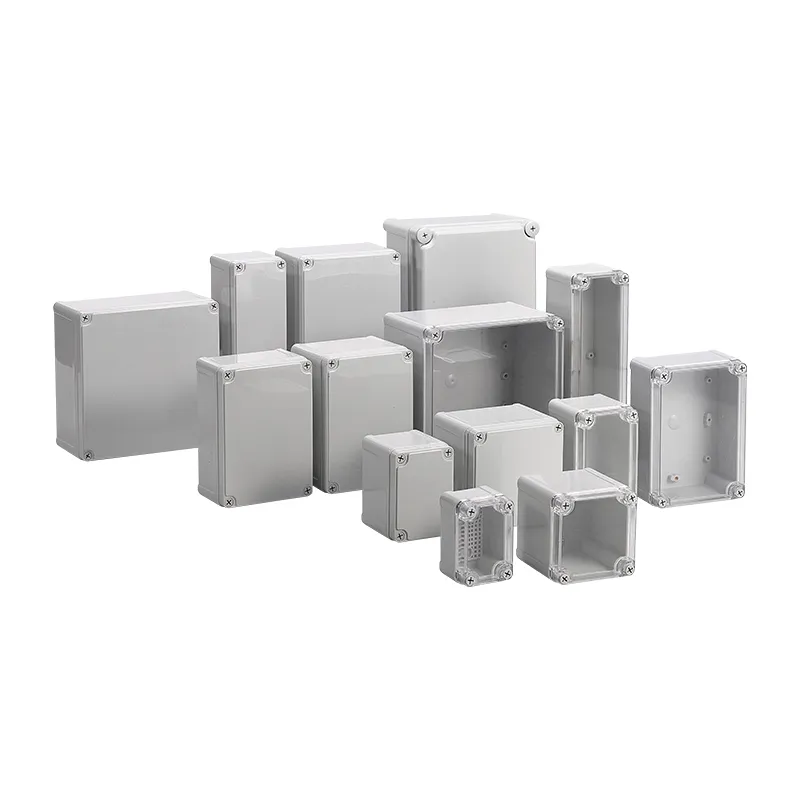
Replace damaged accessories instead of trying to dry them temporarily. In outdoor installations, use properly rated IP65 or IP66 enclosures and seal cable entries correctly.
Neutral-to-Earth Faults After the RCCB
This is another issue that electricians regularly find during renovations or temporary installations.
An RCCB should only see current returning through its own neutral conductor. If neutral and earth are connected downstream of the RCCB, part of the return current flows through earth instead of neutral. The RCCB interprets this as leakage and trips.
This problem often appears after:
- Additional sockets are installed
- Old circuits are modified
- Temporary boards are connected
- Lighting circuits are extended
In older buildings, shared neutral wiring is also common.
Signs of a neutral-earth fault
- RCCB trips with very little load connected
- Tripping appears random
- The breaker sometimes trips immediately after reset
How electricians usually test it
Disconnect the loads and measure the resistance between neutral and earth on the load side. Very low resistance normally indicates an unwanted connection somewhere in the circuit.
The fault may be hidden inside:
- Junction boxes
- Metal light fittings
- Damaged extension cables
- Old distribution boards
Too Much Combined Leakage Current
Modern buildings contain large numbers of electronic devices. Even when everything is working normally, those devices still create small leakage currents.
Computers, LED drivers, UPS systems, printers, VFDs, and EV chargers all contain EMI filters. Those filters intentionally leak a small amount of current to earth.
One device may only leak 1mA or less. But when dozens of devices share the same RCCB, the total leakage current can become high enough to cause nuisance tripping.
This is extremely common in:
- Offices
- Data rooms
- Retail stores
- Control panels
- Buildings with large LED lighting systems
We have seen office circuits with no actual fault condition still reaching over 20mA leakage during normal operation.
On a 30mA RCCB, that leaves very little margin.
How to confirm it
Use a leakage clamp meter around both live and neutral conductors together. The reading shows the actual residual current flowing to earth.
Possible solutions
- Split the load across multiple RCCBs
- Separate lighting and socket circuits
- Replace older power supplies
- Use time-delay RCCBs where permitted
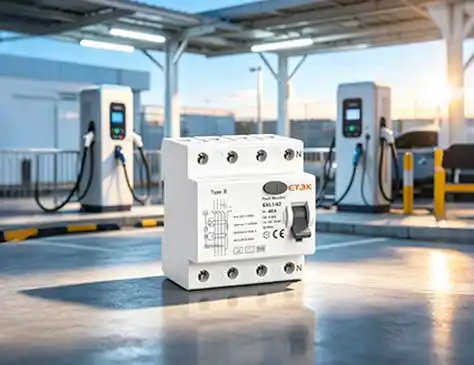
- Choose the correct RCCB type for VFD or EV applications
Standard Type AC devices are not always suitable for circuits containing DC components or high-frequency leakage currents.
Faulty Appliances Can Still Leak Current When Switched Off
This surprises many building operators.
Some appliances continue leaking current even when the front-panel switch is off. Internal filters and capacitors may remain connected to the supply unless the plug is physically removed.
Older appliances are especially common sources of low-level leakage.
Typical examples include:
- Water dispensers
- Coffee machines
- Old UPS units
- Refrigeration equipment
- Damaged LED drivers
If the RCCB trips randomly overnight, unplugging non-essential equipment one by one is often the fastest way to narrow down the source.
Cable Length Can Also Contribute
Long cable runs naturally create capacitive leakage current.
In warehouses, factories, and outdoor installations with long feeders, cable leakage alone may already contribute several milliamps before any equipment is connected.
This becomes more noticeable when:
- The cable route is underground
- Multiple parallel circuits run together
- Humidity levels are high
- Older insulation is deteriorating
For remote buildings or long-distance subcircuits, electricians sometimes place RCCBs closer to the load rather than at the main distribution point.
A Simple Troubleshooting Process Electricians Use
When dealing with repeated RCCB tripping, experienced electricians usually avoid guessing. A structured approach saves time.
Disconnect all downstream loads
Reset the RCCB with all branch circuits isolated.
- If it still trips, the problem is likely wiring-related.
- If it holds, reconnect circuits one at a time.
Reconnect circuits gradually
Wait several seconds after reconnecting each circuit. Some leakage conditions stabilize slowly.
The circuit that causes the trip becomes the main suspect.
Measure actual leakage current
A leakage clamp meter is far more reliable than guessing.
Measure:
- Normal running leakage
- Startup leakage
- Standby leakage
If the continuous leakage current is already close to the RCCB trip threshold, even small changes in humidity or equipment operation can trigger nuisance tripping.
Preventing Future RCCB Problems
Preventive maintenance reduces unexpected shutdowns significantly.
For commercial facilities, electricians commonly recommend:
Every few months
- Check neutral terminals for loose connections
- Inspect outdoor enclosures for moisture
- Look for signs of overheating
Annually
- Perform insulation resistance testing
- Record circuits with declining insulation values
- Check leakage current on heavily loaded electronic circuits
When planning new installations, it is also important not to overload a single RCCB with too many electronic devices.
In buildings containing:
- Solar inverters
- EV chargers
- UPS systems
- Variable frequency drives
The correct RCCB type becomes critical. Standard devices may not respond correctly to smooth DC leakage or high-frequency residual currents.
When the RCCB Itself Is the Problem
Sometimes the breaker itself is simply worn out.
Older RCCBs can develop internal leakage or unstable trip characteristics after years of exposure to:
- Heat
- Humidity
- Surge events
- Electrical stress
If the RCCB trips with all loads disconnected, replacement is usually the first thing electricians test before investigating deeper wiring faults.
Final Thoughts
Most RCCB tripping problems come from a relatively small group of issues:
- Moisture ingress
- Neutral-earth faults
- Combined leakage from multiple devices
- Aging equipment
- Insulation breakdown
The key is to troubleshoot systematically instead of replacing components at random.
In many cases, the real problem is not a failed RCCB at all, but an installation that has gradually accumulated leakage current over time.
Where installations involve EV charging, solar systems, VFDs, or mixed AC/DC loads, selecting the correct RCCB type is just as important as finding the fault itself.